
Expert Picks for Exterior Cladding Paints That Elevate Curb Appeal
Find high-performance products chosen by professionals to ensure long-lasting, attractive exterior wall coatings.
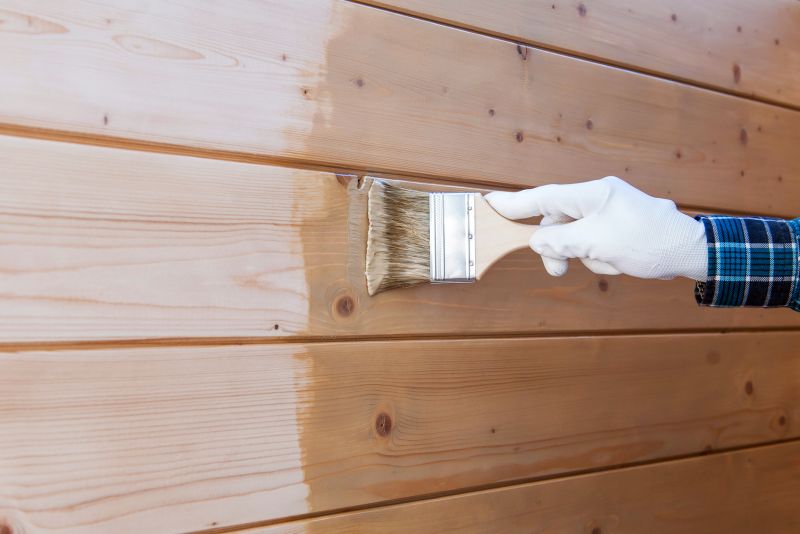 Exterior cladding painting plays a vital role in maintaining and enhancing the appearance and protection of building exteriors. Selecting the right products for painting exterior cladding involves understanding various types of paints and coatings tailored for different materials and environmental conditions. From wood and vinyl to metal and fiber cement, each surface requires specific formulations to ensure durability, adhesion, and aesthetic appeal. Proper preparation, including cleaning and priming, is essential to achieve optimal results and longevity.
Top Overall Option
Premium Exterior Cladding Paint
A versatile and durable coating designed for various exterior surfaces, offering excellent adhesion, weather resistance, and a smooth finish. Its formulation is intended to withstand outdoor conditions while maintaining color integrity and surface protection over time.
Types of Products For Exterior Cladding Paintings
Acrylic Latex Exterior Paint
Popular for its ease of application and flexibility, suitable for wood, vinyl, and fiber cement surfaces, providing good adhesion and weather resistance.
Oil-Based Exterior Paint
Known for excellent durability and adhesion, often used on metal and wood surfaces where long-lasting protection is desired.
Elastomeric Coatings
Highly flexible coatings that can bridge small cracks and provide a waterproof barrier, ideal for stucco and masonry surfaces.
Silicone-Based Paints
Offers superior water repellency and weather resistance, suitable for challenging exterior conditions and surfaces requiring high durability.
Acrylic Enamel Paints
Provides a hard, glossy finish with good color retention, often used for decorative or accent areas on exteriors.
Primer Sealants
Primers designed to improve adhesion and provide a uniform base for subsequent coats on various exterior materials.
Waterproof Sealers
Sealants that prevent moisture intrusion and protect underlying surfaces from water damage.
Anti-Mildew Coatings
Specialized paints formulated to resist mold and mildew growth on exterior surfaces.
Textured Coatings
Provides decorative finishes and added texture, suitable for hiding surface imperfections on exterior walls.
High-Gloss Finishes
Offers a shiny, reflective surface that enhances visual appeal and is easy to clean.
Matte Finish Coatings
Provides a non-reflective, smooth finish that helps hide surface imperfections.
Semi-Gloss Coatings
Balances durability and aesthetic appeal with a subtle sheen, suitable for trims and accents.
Specialty Coatings for Metal
Designed specifically for metal surfaces to prevent rust and corrosion while providing color and protection.
Fiber Cement Paints
Formulated for fiber cement siding, offering adhesion, weather resistance, and flexibility.
Popular Choices
Widely used for its ease of application and versatility across different surfaces, offering good weather resistance.
Favored for its durability and adhesion on wood and metal surfaces, providing a traditional protective coating.
Commonly chosen for stucco and masonry surfaces due to their crack-bridging and waterproofing properties.
Popular for their water-repellent qualities and high durability in challenging outdoor environments.
Chosen for decorative accents and trims to achieve a shiny, reflective finish with ease of cleaning.
Preferred for walls where a non-reflective surface helps conceal imperfections and provides a modern look.
Often used on doors, trims, and windows for their balance of durability and aesthetic appeal.
Commonly selected in humid or shaded environments to prevent mold and mildew growth.
Popular for metal surfaces to prevent rust and provide long-lasting color retention.
Frequently chosen for fiber cement siding due to their adhesion and weather resistance properties.
The process of painting exterior cladding not only improves curb appeal but also acts as a protective barrier against weather elements such as rain, sun, and wind. High-quality exterior paints are formulated to withstand these conditions while resisting cracking, peeling, and fading over time. When choosing products, it’s important to consider factors like surface compatibility, ease of application, drying time, and finish options. Whether for a small residential project or a large commercial facade, selecting the appropriate products can make a significant difference in the durability and appearance of the finished surface.
In addition to paints, primers and sealants are integral components of an effective exterior painting system. Primers help improve adhesion and provide a uniform base, especially on previously painted or problematic surfaces. Sealants can fill gaps and prevent moisture intrusion, further protecting the substrate. For those looking to refresh or completely change the look of their exteriors, understanding the variety of available products and their specific applications is crucial. Properly executed, exterior cladding painting can extend the lifespan of building materials and enhance overall aesthetic appeal.
Overall, choosing the right products for exterior cladding painting involves balancing performance, compatibility, and ease of use. With a wide range of options available, homeowners and professionals alike should carefully evaluate their project needs and environmental conditions to select suitable products. Investing in quality materials and proper application techniques can lead to satisfying results that stand up to the elements and maintain visual appeal over time.
Key Buying Considerations
- Surface Compatibility: Ensure the product is suitable for the specific exterior material such as wood, vinyl, metal, or masonry.
- Weather Resistance: Choose paints formulated to withstand the climate conditions of your location, including rain, sun, and temperature fluctuations.
- Adhesion Properties: Select products with strong adhesion qualities to prevent peeling and flaking over time.
- Finish Options: Decide on the desired appearance, such as matte, semi-gloss, or high-gloss, based on aesthetic preferences and maintenance needs.
- Application Method: Consider whether the product can be applied with brushes, rollers, or sprayers for convenience.
- Drying and Curing Time: Check the recommended drying times to plan your project accordingly.
- Coverage Area: Evaluate the coverage rate to estimate the amount of product needed for your project size.
- Color Retention: Look for formulations that maintain their color and finish over time without fading.
- Primers and Sealants: Determine if additional primers or sealants are necessary for optimal adhesion and protection.
- Environmental Conditions: Be aware of the product’s tolerance to humidity, temperature, and moisture during application and curing.
- Durability and Longevity: Assess the expected lifespan and resistance to cracking, peeling, and fading.
- Ease of Application: Consider products that are user-friendly, especially for DIY projects.
- Maintenance Requirements: Choose coatings that are easy to clean and maintain.
- Cost and Budget: Balance quality and budget constraints to select a suitable product.
- Brand Reputation and Reviews: Research product reviews and reputation for consistent performance.